
The best way to avoid common pitfalls of surveillance are as follows-
A Comprehensive Guide to Business Video Surveillance Laws by State
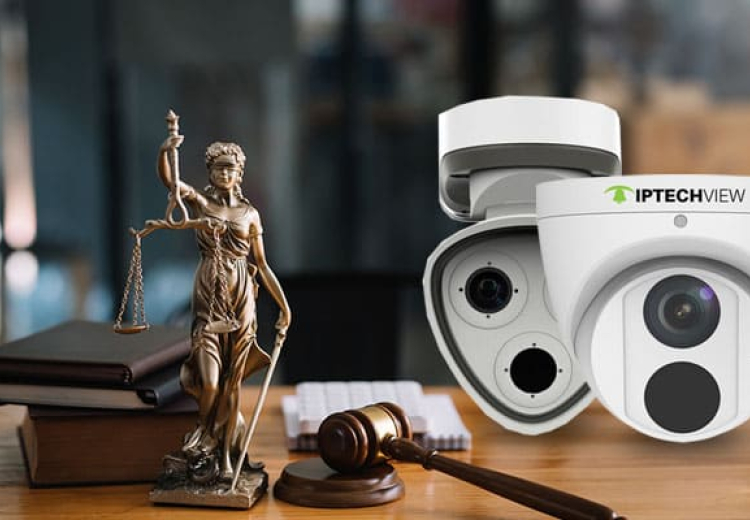
As surveillance cameras are getting popular by the day, businesses are leaning towards them for security within their properties. Understandably, the usage of these cameras is deterring crime rates and reducing dangers.
However, a business can’t just install surveillance means wherever they want. There are specific laws they need to follow. Firstly, there are some federal laws regarding security cameras. Next, they also have to follow the state regulations.
In this article, we talk about federal and state laws regarding surveillance cameras so you can have a proper idea before planning your business premises.
The Critical Role of Video Surveillance in Business Security

The advantages we gain from surveillance cameras in businesses are impossible not to notice. Let’s hover over some of the most common benefits this means of security can bring to a company:
- First things first, the usage of security cameras can deter and drop crimes within the areas being monitored.
- It can give people a sense of security and protection when they are in your business area, knowing that the area is under surveillance.
- Security cameras can help people get help faster when someone is in danger.
- The crime departments and cops can use security camera footage to catch criminals, or they can be used as evidence against criminals in court.
- The crime departments and cops can use security camera footage to catch criminals, or they can be used as evidence against criminals in court.
As you can see, the above points are various valid reasons why the usage of surveillance cameras is rising rapidly. Not to mention, their increasing upgrades and features are also helping us greatly as their advertisement.
A Detailed Look at Regional Legal Variations
Surveillance cameras are still a sensitive topic, as their security benefits often clash with the privacy of the people under the monitoring. As such, there are rules regarding their usage, which may differ slightly by state.
For example, in California, one of the most populous and business-centric states, one can’t record videos or audio of people or content meant to be private or confidential. As such, surveillance is impossible there without the consent of the people under the surveillance.
Florida is another such populous state. Here, alongside Minnesota and Alabama, there is a much less strict rule where they allow cameras in places that are not private.
Meanwhile, many states, such as Utah, Michigan, Maine, South Dakota, Tennessee, Arkansas, etc, forbid businesses and individuals from filming or recording people without their consent as long as it is in an area where the people have an understandable expectation of privacy.
Some places got it way more strict. For example, you can’t set up security cameras in Hawaii without the consent of people who may be under surveillance later. Similarly, you need the agreement of all parties in such a situation in Washington, Illinois, Pennsylvania, etc.
States like Connecticut or Delaware require the business to tell its customers, clients, and employees about the surveillance. The proper way to do so is to put a sign in a visible and noticeable place near the entrance.
Around 38 states in the USA allow one-party consent rules, where at least one of the parties being monitored must consent to this. So, if you are recording the premises while also being under surveillance, it is legal to do so. Meanwhile, 12 states have established an all-party consent rule.
No state allows you, as a business owner, to set up surveillance cameras in private places. So, you can’t install them in the bathrooms, changing rooms, bedrooms, hotel rooms, locker rooms, or places where they have a proper reason to get undressed. The law also applies to places where sensitive or private matters will be discussed, such as a doctor’s office, therapy, a lawyer’s office, or during a conversation with a minister.
You can, however, set up surveillance on your employees in most places as it is allowed by federal laws and the majority of the states. However, in rare cases, if a worker is in protected work or handling something involving private or classified information, monitoring them with security cameras is not legal.
Ensuring Compliance Across State Lines
When planning to expand your business across different states, you should identify and account for the regulations in those states and the specific rules in the provinces, counties, and territories your business will run. You can even hire a professional to examine the laws and advise you on your multi-state business strategy.
It is also better to choose a state based on their laws. You don’t want the law to affect the purpose of your business too much. The legality in some states may favor your company more than others. So, get an advisor to help you pick the right states.
Establishing your business premises, setting up surveillance, advertising your business, and starting your operations all should be under the regulation of the state and counties. A global service specialist can help you immensely if your business expands beyond the USA.
In any case related to surveillance on foreign land, always stay on the safer side by taking consent and not putting them in places unnecessarily until you are clear about the regulations. If you face any legal complications, hire attorneys experienced in the topic to put up a strong defence.
Key Legal Considerations
Before you are planning and strategizing the surveillance within your business premises, make sure to think about the following critical factors thoroughly-
- Consent: Surveillance laws involve people’s consent to be monitored. It is either one-party consent, all-party consent, or mixed consent. Check the surveillance laws in the state where you are running your company and proceed to take consent where necessary.
- Notifications: You may wonder what constitutes consent in this regard. Well, when you put up a sign or notification near the entrance of a place mentioning that the place has surveillance cameras, anyone entering the place is officially consenting to it.
So, make sure to put the notification in a visible place and keep the sign clear and noticeable. Note that just because the camera is within your own private property or a legal place doesn’t always mean you can install a camera everywhere.
Remember that the laws are not about where you are installing the cameras but where it is pointing at and who it is recording. For example, installing a surveillance camera inside your business building, which is pointed at the entrance or other private property, may still violate the legal codes.
It is always better to check the state page and the relevant regulations before anything. That also includes other states that we haven’t mentioned in this article.
Common Pitfalls and How to Avoid Them
Under the Fourth Amendment, individuals are protected from security cameras. It mentions the privacy of people, not the areas or objects. As such, if someone willingly spreads their private information, they won’t be protected by the Amendment.
When installing security cameras within the areas you or your business owns, you must consider the Fourth Amendment alongside the state laws.
The legal consequences for unlawful surveillance are also different by state. So, in order to avoid common pitfalls, it is better to check the state website. Let’s give you an example of penalties for this offence-
- In New York, if a person hasn’t been convicted of another first or second-degree unlawful surveillance offence within the previous ten years, one such offence will be a second-degree charge (A class E felony). The penalties are a $5,000 fine and up to 4 years of prison.
- If the person has a first or second-degree unlawful conviction within the previous ten years, one such offence will be a Class D felony (first-degree charge), resulting in up to 7 years in jail.
- Remember that the definition of consent differs so much by state. So, check the state and federal laws and abide by them.
- Notify the employees, customers, and clients about the surveillance when it is required by law.
- Avoid installing surveillance devices in private places or places where a person has proper reason to undress or discuss private matters without expecting a camera to monitor them.
FAQs
What Is Unlawful Surveillance?
Using any imaging device to record, monitor, or stream any people in a place or business premise where the individuals have reasonable expectations for no surveillance is unlawful surveillance by federal law.
Can You Use a Camera to Surveil an Employee?
Yes, federal law doesn’t prohibit surveilling any employee using a camera as long as they are not in a union organizing activity or handling any private matters. It is also not allowed to monitor your employees when they are in a private place within the business premises, such as the bathroom.
What Do You Need to Know About Electronic Surveillance Laws?
Aside from the information we provided in this article, you should also know that the electronic surveillance laws in the USA involve two statutory regimes. They are as follows-
- The Electronic Communications Privacy Act (ECPA)
- The Foreign Intelligence Surveillance Act of 1971 (FISA)
The former is for domestic surveillance, while the latter is for foreign intelligence.
What Do People Think About Workplace Surveillance?
People’s comments on workplace surveillance are still vivid. Some are firmly against it. For example, many experts stated in a BBC article that the growing monitoring systems in the workplace can create an environment full of mistrust more than fear. According to them, such an environment may not function to its fullest.
Others also agreed with workplace surveillance, claiming they feel a higher sense of security knowing that the premises are under watch.
Conclusion
The laws can often be tricky to follow when they involve one’s business, and even more so when the business is multi-state. The introduction of surveillance cameras brought mixed opinions from the crowd. Some like it, others do not.
It is always best to comply with the laws of the states where the business activities occur or where the premises are situated. As such, avoid putting up surveillance unlawfully. Hire advisors or attorneys when necessary.
Comments are closed