
Hospital Video Surveillance Policy: Best Practices and Guidelines
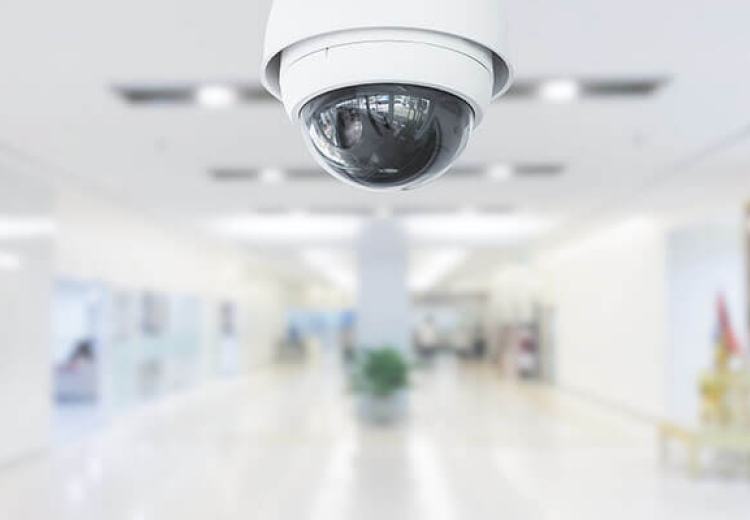

As surveillance tools are made more affordable, every industry is trying to integrate this technology into their systems. Healthcare is no different.
This technology benefits the workers and patients in many ways but raises concerns about unauthorized breaches. In this article, we’ll discuss topics related to this issue.

We created IPTECHVIEW Surveillance to provide a better solution for your customers, and a more partner-centric platform.
With the technology groundwork laid, and user expectations changing rapidly the transition to cloud-based video surveillance is poised to accelerate, unlocking efficiencies and new potential for everyone.
However, it’s critical to start early with a product that is good for you too.
Key Principles of a Hospital Video Surveillance Policy
To prioritize patient privacy, hospitals must follow some rules to prove that they use the video footage ethically.
- HIPAA Compliance: This law was introduced to protect the privacy of patients. Things like driver’s licenses, photos, fingerprints, addresses, etc., are identifiers. Hospitals are meant to keep this info private in order to follow the HIPAA law.
- Restricted Access: The person(s) in charge of the footage must not share it with anybody else. Since cameras are digital devices, any type of footage captured by it directly qualifies as PHI. That’s why they should be placed in places where cameras are usually exp
- Ethical Considerations: Utilitarianism and altruism should be the only justifiers of hospital video surveillance systems. However, many hospital authorities break this moral boundary and use surveillance to discipline their employees.

Roles and Responsibilities
Video surveillance systems should always be targeted at maintaining a safe and secure environment, which is why hospitals need to acknowledge their roles and responsibilities.
- Training: The staff associated with surveillance should be adequately trained to understand why it’s necessary to protect people’s personal information. Hospitals should opt for this training of their employees every few months.
- Law Enforcement: The hospital staff should be aware of the law of surveillance in healthcare facilities. Some hospitals mess with people’s privacy to make extra profit, which is extremely unethical. They can enforce the law with surveillance technology.
- Code of Practice: Hospitals should have a code of practice. The intention they should surveil must be targeted at improving patient care.
Camera Placement and Signage
Hospitals need to be wary of multiple things when it comes to camera placement and signage.
Firstly, hospitals should make sure that cameras are only located in places that need them, like hallways, entrances, exits, and operating rooms. There should be no camera inside the patient’s own space, in the bathrooms or changing rooms.
Signage lets people know that they are being monitored. That’s why there should be signs and posters all over the area that are protected by CCTV.
Hospitals should make sure they have enough signs for people to see.
They should take steps to make sure the cameras don’t get vandalized or hacked.
Data Storage and Retention
The storage and retention of data in hospital surveillance systems must comply with regulatory requirements. Here are some key points:
- Health Record Retention: You need to provide various secondary data to hospitals to get healthcare. Things like your nameplate, address, phone number, etc. Hospitals are required by law to protect this data and your health record. Many hospitals have these illegal practices where they sell health records to pharmacies. That is a security concern and should be addressed immediately.
- Modernising Data Storage: The amount of data produced by billing and patient care is increasing every day. Analog systems can’t measure up to it anymore. That’s why hospitals need to digitize their means and keep an online document of all patient information.
Video Analytics in Healthcare: Integrating video analytics (VSAAS) with hospital surveillance systems can be a great way to maintain patient care. This is also particularly helpful for healthcare workers. Because healthcare workers are five times more likely to suffer from workplace violence, these people are dealing with critical and high-stress situations every day. Video analytics can take some of the burden off their shoulders. It can deal with loitering, overcrowding, and staff shortage.
Monitoring and Response Protocols
Hospital surveillance systems are required to have these monitoring and response protocols:
- Collecting Data: Hospitals collect data through fieldwork. They also rely on healthcare reporting and event-based surveillance systems for data collection.
- Analyzing data: After they have collected the data, the report goes to the decision-makers. A knowledgeable technical team should regularly check up on this information. By looking at the time, place, and person, they can decide how to respond to health events.
- Evaluation: Hospitals should evaluate their surveillance systems on a regular basis. This gives them insight into improving quality, the average time between steps and data transfer, standard user interface, etc.
- Responding: Hospitals must plan responses very early on. There might be a new pandemic or a big fire incident that results in clusters of patients. Staff members should be trained to be prepared for these situations.
- Monitoring: Surveillance systems are usually used for looking at levels of disease, finding and tracking threats and generating ideas for emergency responses. Hospitals also use monitoring to estimate costs.
Policy Review and Update
When implementing video surveillance policies, hospital staff need to keep the following factors in mind:
- Employee Training: Employees should be aware of company policies and act accordingly. They should also be regularly trained for the proper use and disclosure of video surveillance.
- Transparency and Feedback: Staff, patients, and visitors need the hospital to be transparent with them about video surveillance because they can give feedback on security and privacy. This way, the security system has everyone's approval and can grow stronger with time.
- Legal and Privacy Concerns: Video surveillance should always be HIPAA compliant. Video and audio recordings are typically stored so that patients can receive proper treatment and medicines. They are not to be tampered with. And about cameras, this is very self-explanatory; they should not be placed in employee break rooms, exam rooms, or bathrooms.
Compliance with Laws and Regulations
Rules and Regulations vary state by state, but the key points are–
- Consent: Changing rooms, dressing rooms, sleeping quarters, bathrooms, etc., are private areas, and there should be no CCTV in sight. Hospitals must seek consent from families and visitors before surveilling them or at least letting them know that they're being watched.
- State Specific Laws: Currently, only three states allow cameras into the patient's private room. As the cost of video cameras decreases, more and more states might start using video surveillance systems in intrusive ways. Most states allow recordings if one party agrees to record. Very few states require consent from both parties. Needless to say, the states should change their laws to prevent eavesdropping.
- Employee Training and Policies: Through this training, employees should learn ethical billing practices, proper handling of patient info, safety in the workplace, and cyber security. Healthcare is regularly targeted by data theft and hacking incidents. Healthcare training should cover handling those situations. It should also cover bloodborne pathogens, PPE, sterilization processes, etc.
FAQs
How can hospitals determine which employees need training?
They can do a training needs analysis by conducting surveys. Training programs should be consistently updated to implement evidence-based practices and meet industry standards.
What is the role of hospital staff in implementing video surveillance policies?
Hospitals should limit disclosures, obtain the patient’s consent before sharing it with others, and regularly converse with their employees about data theft and hacking of their surveillance system. Hospital staff can educate themselves and their peers on this matter. The surveillance policy should include who is capable of getting access to video footage.
How long do hospitals handle data storage and retention for surveillance footage?
Hospitals usually keep their footage for 30 to 90 days. However, some may need to retain it longer, especially if there are legal requirements.
Conclusion
We can all collectively agree on the fact that eavesdropping is bad. Hospitals need surveillance for a variety of reasons. First off, thieves are always trying to steal healthcare information. Secondly, healthcare officials get access to a lot of our private info. Giving away that information makes us vulnerable, which is why hospitals need robust security systems and knowledgeable staff.
References
- https://www.thehealthlawfirm.com/resources/health-law-articles-and-documents/Video-Surveillance-in-Patient-Care-Areas.html
- https://www.upcounsel.com/video-surveillance-laws-by-state
- https://www.security.org/security-cameras/legality/
- https://compliancy-group.com/healthcare-compliance-training-programs
Comments are closed